

Shoot the Archer
Ukraine strikes Russia's drone and missile plants

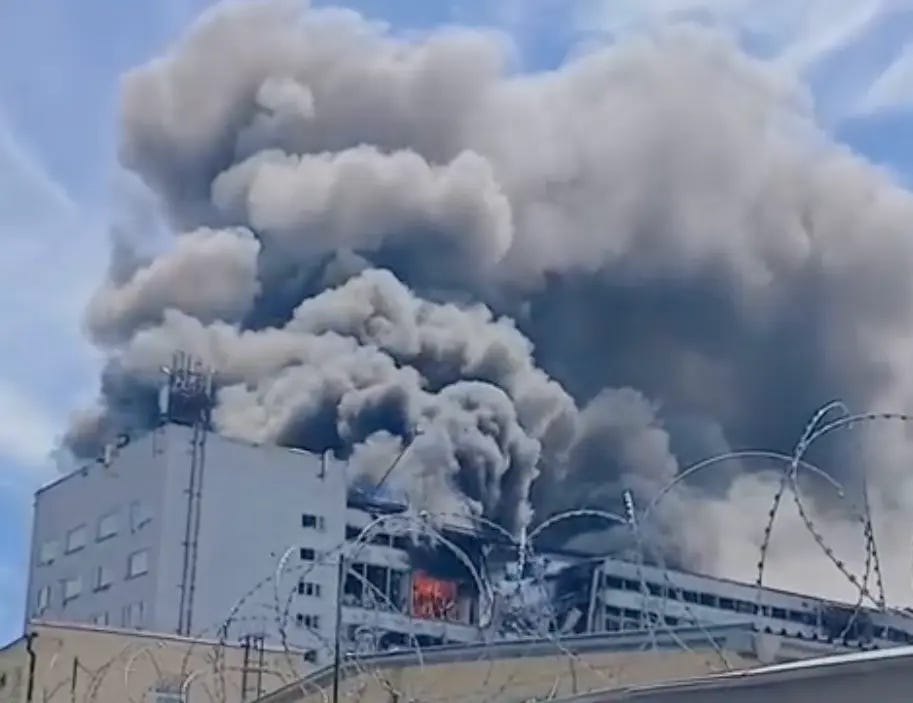
For a long time now supporters of Ukraine and armchair generals more generally have been arguing that the best form of defence against Russia’s largescale drone and missile attacks would be to hit the factories or launch units. Of course there’s a huge effort to shoot own the incoming threats over Ukraine itself but the logic is that it’s vital to ‘shoot the archer, not the arrows’.
So I just wanted to bolt on to my last post a few thoughts about this specific point. When it comes to long range strikes, the Ukrainians face three types of threat: ballistic missiles like the Iskander-M or Kinzhal that plunge down onto their targets at high supersonic speeds; jet powered cruise missiles; and the Geran or Shahed type drone, most of which are still propeller driven.
Geran strikes are by far the most numerous, but the ballistic missiles are the hardest to defend against, particularly as Ukraine is starved of US-made Patriot missiles, which remain the best answer to that threat.
The Ukrainian’s have long grasped the ‘shoot the archer’ idea, their problem has been making it happen. So although they first hit the Geran factory in Yelabuga a couple of years ago, it was hard for them to have a big effect on production there.
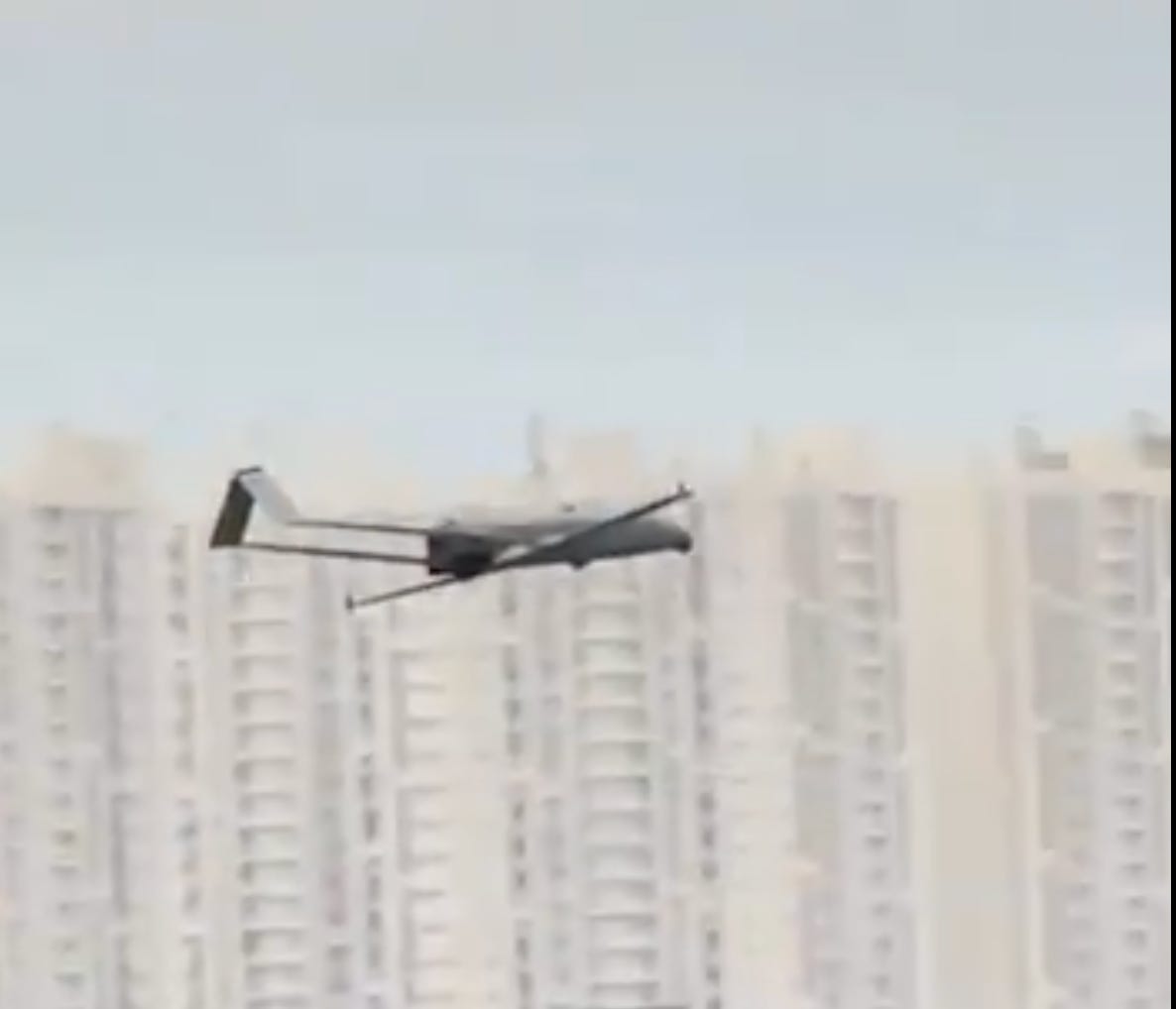
That plant requires the Ukrainian munitions to fly around 1,000km, and the drone types used to hit it had relatively small warheads, doing limited damage to the sprawling facility. For a long time they pinned their hopes on the new FP-5 Flamingo drone that delivers a thumping one tonne of explosive up to 3,000km away, but development took time.
Lately, as part of the wider uptake in deep strikes made possible by increased Ukrainian drone production and a weakening of Russian air defences, we have started to see a bigger, joined up effort against targeting the Kremlin’s arms industry.
The Yelabuga plant was hit multiple times in April and May. Ukraine also attacked the Atlant plant in Taganrog on 19th April, a key site in the manufacture of Molniya and Orion drones.
Then on 22nd June, as I mentioned earlier this week, they hit the Sborka factory in Voronezh. It’s critical for the production of microprocessors and circuitry for a wide variety of Russian weapons including missiles.
This morning I see Ukraine has blasted the Titan-Barikady factory in Volgograd, using Flamingo missiles. It makes launchers for Iskander-M ballistic missiles as well as intercontinental range systems.
The pattern that emerges is that numerous pinch points in the Russian missile and drone supply chain are being hit. And among the hundreds of strikes now going in weekly, there may have been other plants in this system struck that we don’t even know about yet.
The Ukrainians have exploited the full range of weaponry at their disposal, according to the target and defences that have to be beaten: drones on Alabuga; Neptune missiles at Atlant; Storm Shadow or Rusty Dagger air launched cruise missiles at the Voronezh target; and Flamingo in Volgograd.
Have they had an effect? Russian attacks have been building this year from around 6,000 drone and missile deep strikes each month at the start of the year to 8,350 in May. So is the answer no? Arguably the figure would have been even higher without the Ukrainian bombing of Russian military plants but it can hardly be said that it’s delivered big results yet.
So now, with thousands of advanced deep strike weapons being delivered to the Ukrainians there may be a difference. Certainly they will be able to sustain their bombardments, which at places like Alabuga have only produced short term disruption up to now.
It's probably too early to tell. Hits to facilities in April, May and June will likely have more of an effect in the coming months. The Ukrainian attacks on oil infrastructure are certainly having an effect now, and will continue to do so.